From May 13-15, 2026, Tribal librarians, archivists, museum professionals, language workers, Tribal Historic Preservation Officers, and cultural heritage practitioners gathered in Waaswaaganing (Lac du Flambeau), Wisconsin, for the 19th Culture Keepers Convening. Hosted by the Gikendaasowigamig (House of Knowledge) Ben Guthrie Lac du Flambeau Public Library and George W. Brown Ojibwe Museum & Cultural Center, the Convening brought together participants to strengthen relationships, share knowledge, and support the ongoing work of preserving and protecting Indigenous cultures, histories, languages, and traditions.
Culture Keepers has a long history rooted in collaboration between Tribal communities and the Tribal Libraries, Archives, and Museums (TLAM) program at the University of Wisconsin-Madison. What began as opportunities for service-learning and relationship-building has grown into a vibrant network of cultural workers who regularly gather to share resources, ideas, and support.
Today, the Culture Keepers Collective partners with the TLAM program and Nicolet Library System to support these Convenings, creating spaces where Indigenous knowledge can be shared in ways that honor community values, protocols, and relationships.
The 2026 Convening opened with a welcome to Waaswaaganing from Tribal President John D. Johnson, Sr., followed by a community tour led by Teresa Mitchell, Director of the George W. Brown, Jr. Ojibwe Museum & Cultural Center. Participants traveled throughout the community, learning about the history, culture, and significance of key places while building a deeper understanding of the lands and people who call Waaswaaganing home.
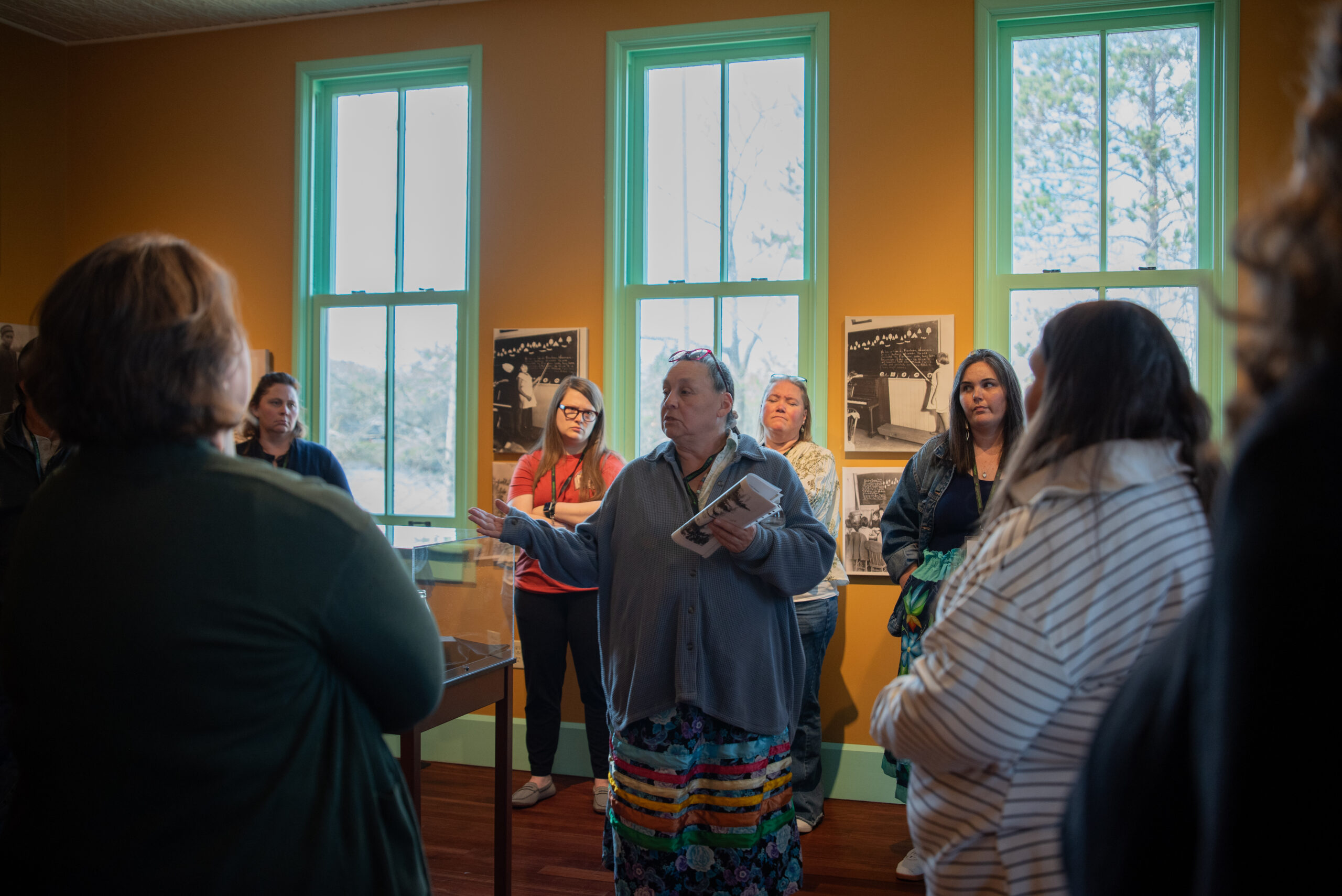
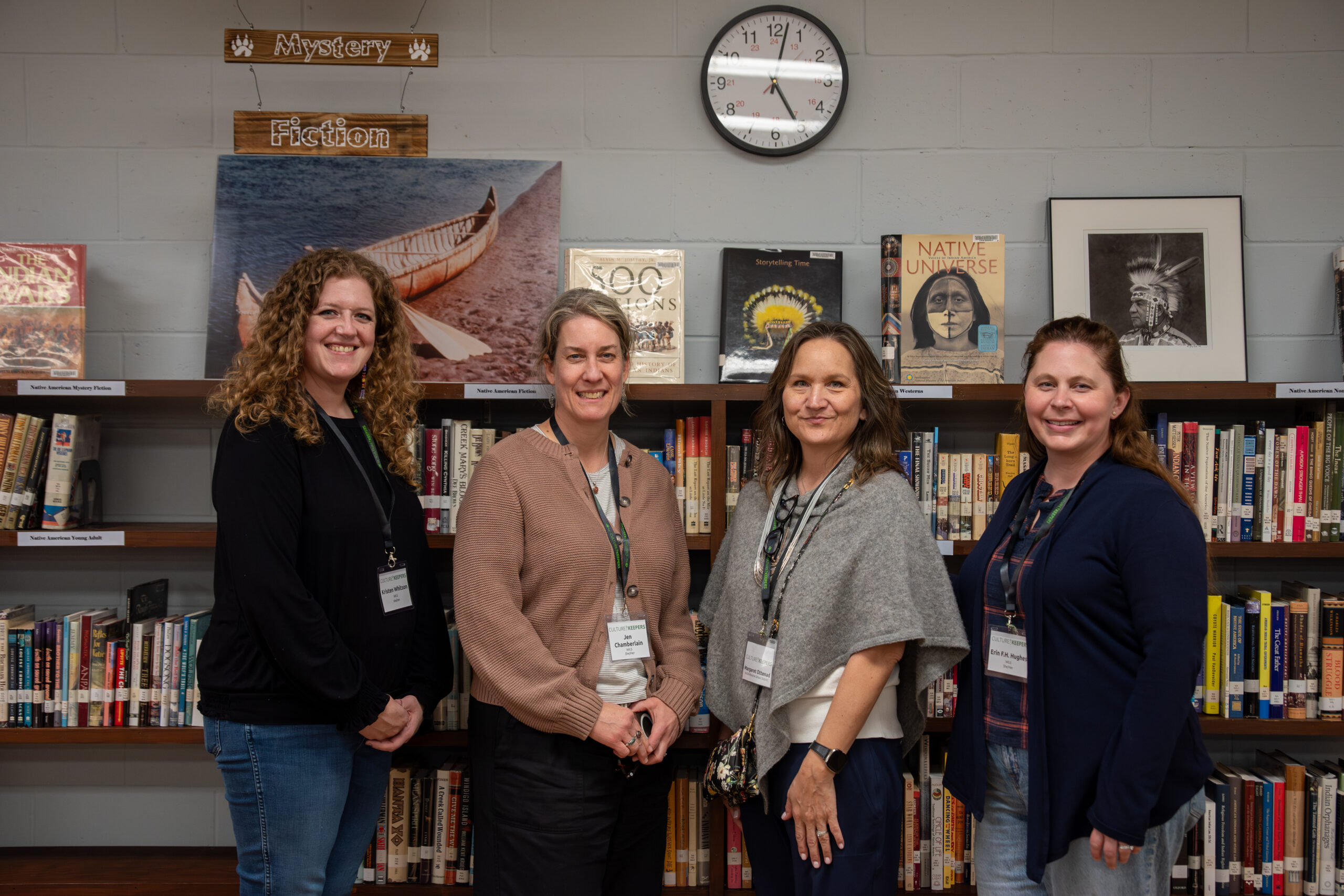
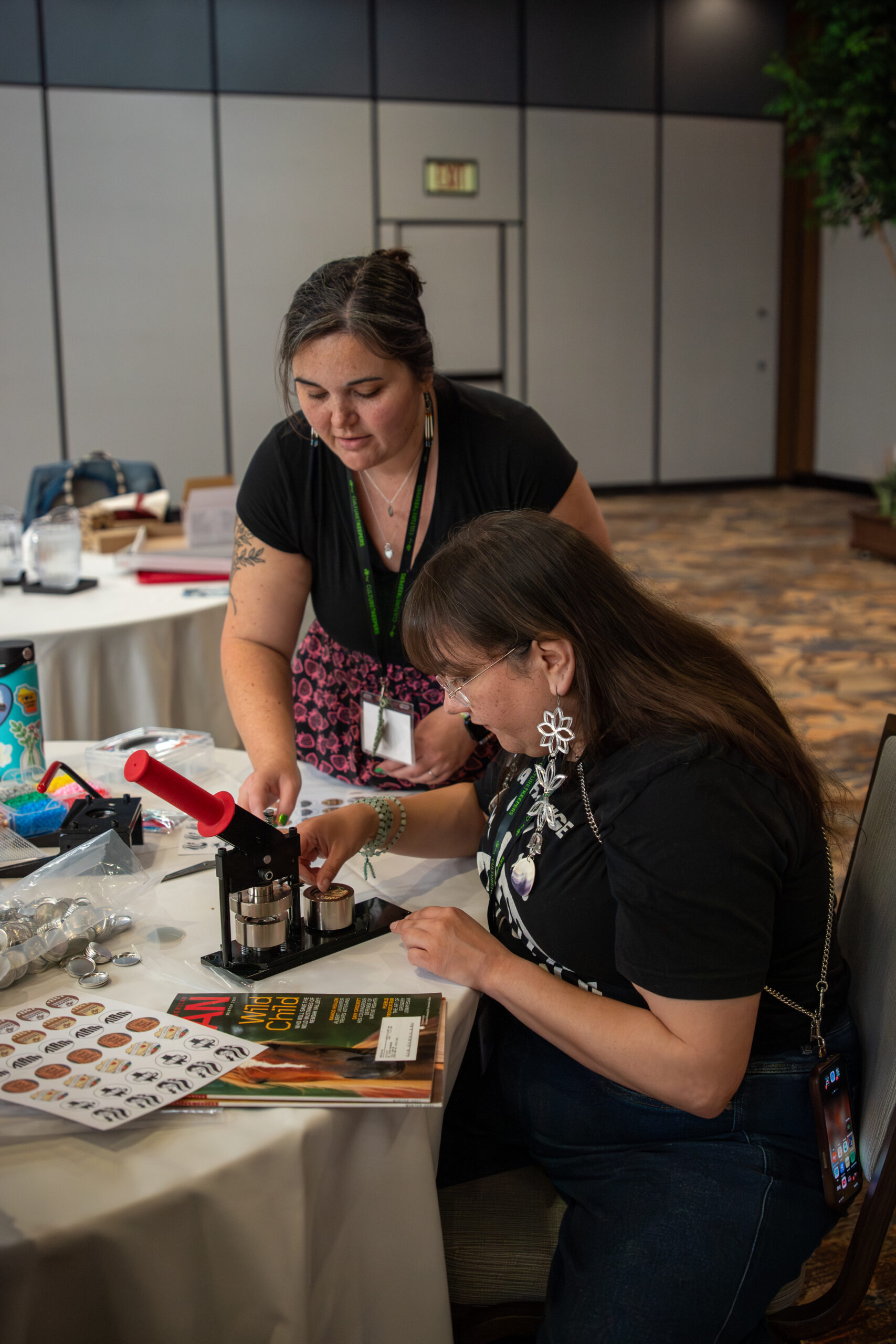
The first day concluded with a communal meal prepared by local community members and an evening presentation by Leon Valliere, Director of the Ojibwe Language Program and Culture for Waaswaaganing. Valliere spoke about cultural repatriation and the importance of returning knowledge, stories, and cultural materials to the communities for which they originate. Attendees then gathered for an informal crafting circle, continuing a Culture Keepers tradition of building connections through shared creativity and conversation.
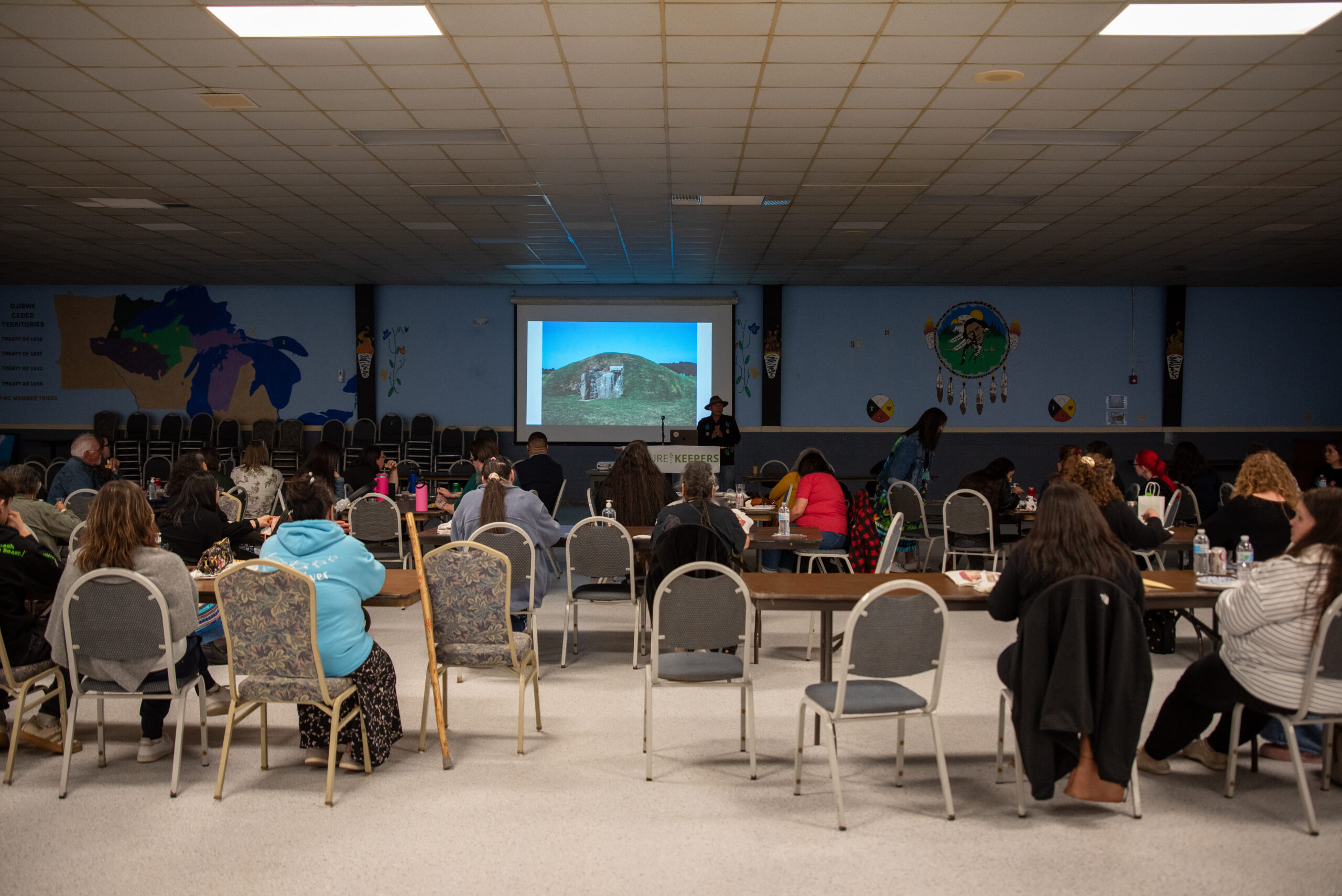
Throughout the Convening, participants learned directly from Waaswaaganing members, whose knowledge, stories, and hospitality helped shape the experience. Their generosity in sharing local history, cultural knowledge, and community perspectives grounded the gathering in place and strengthened connections among attendees.
Over the next two days, participants engaged in a wide range of workshops, roundtables, and hands-on learning opportunities. Sessions explored topics including culturally relevant policies and procedures for Tribal libraries, archives, and museums; museum collections care and programming; local authors and Indigenous literature; history and genealogy work; and the use of Traditional Knowledge (TK) and Biocultural (BC) Labels through Local Contexts to support Indigenous data sovereignty and cultural governance.
Additional presentations highlighted innovative partnerships and emerging opportunities for Tribal cultural institutions. Participants took a digitization workshop and learned practical skills for preserving photographs, audio recordings, documents, and video materials. Discussions also covered metadata creation, long-term digital preservation, and digital stewardship tools such as Mukurtu CMS. Others explored makerspace activities and shared ideas for creating engaging learning experiences within their own communities and institutions.
Beyond the formal sessions, the Convening created space for relationship-building and community connection. Native artists and makers shared their work through a vendor marketplace, attendees gathered for shared meals, and the annual gift exchange offered an opportunity to celebrate reciprocity and strengthen connections across Tribal Nations and organizations.
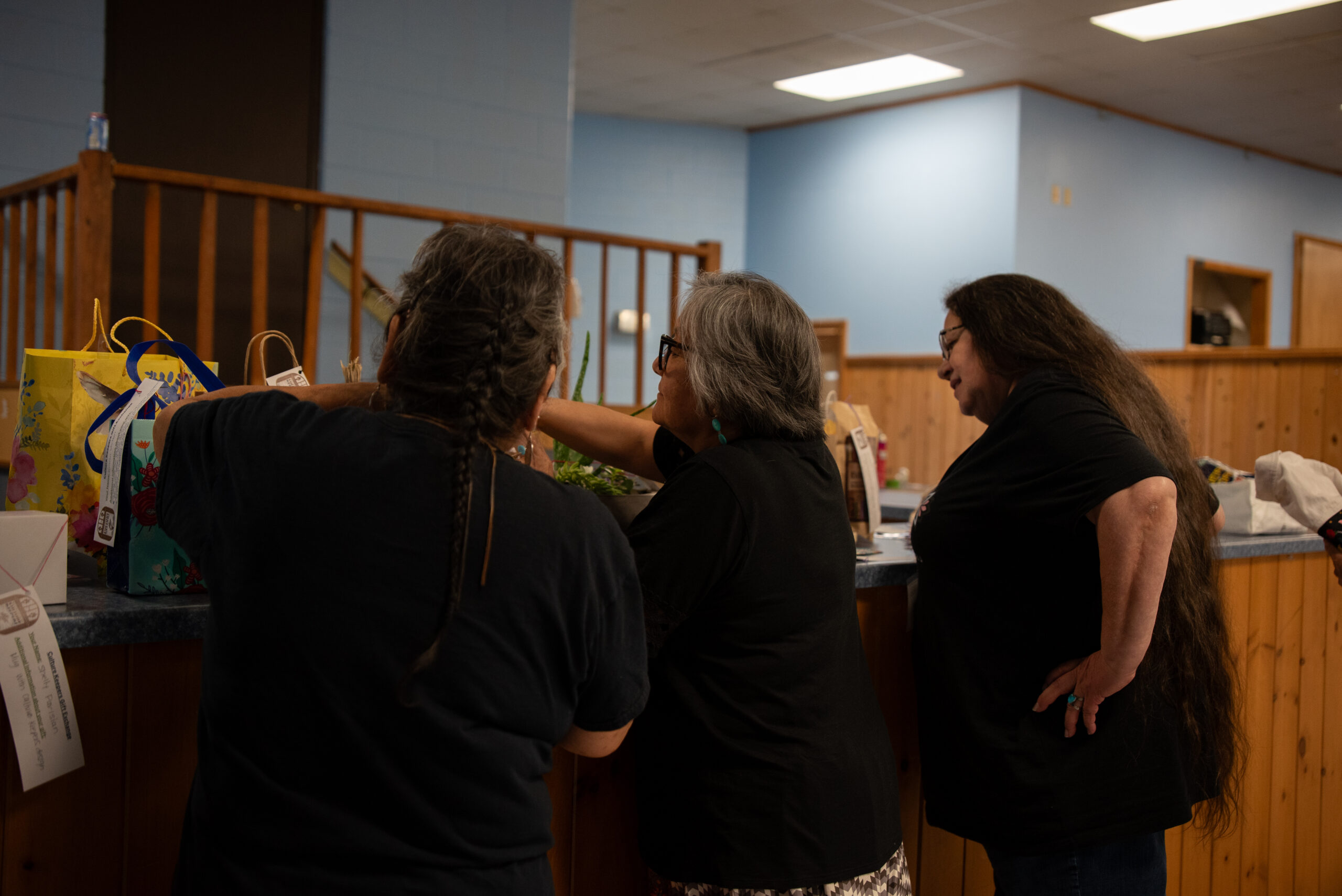
One of the most valuable aspects of Culture Keepers is the opportunity to gather with others engaged in similar work. Whether discussing collections care, language revitalization, genealogy research, digital stewardship, programming ideas, or community outreach, participants shared experiences, challenges, and successes while strengthening the relationships that support cultural work across the region.
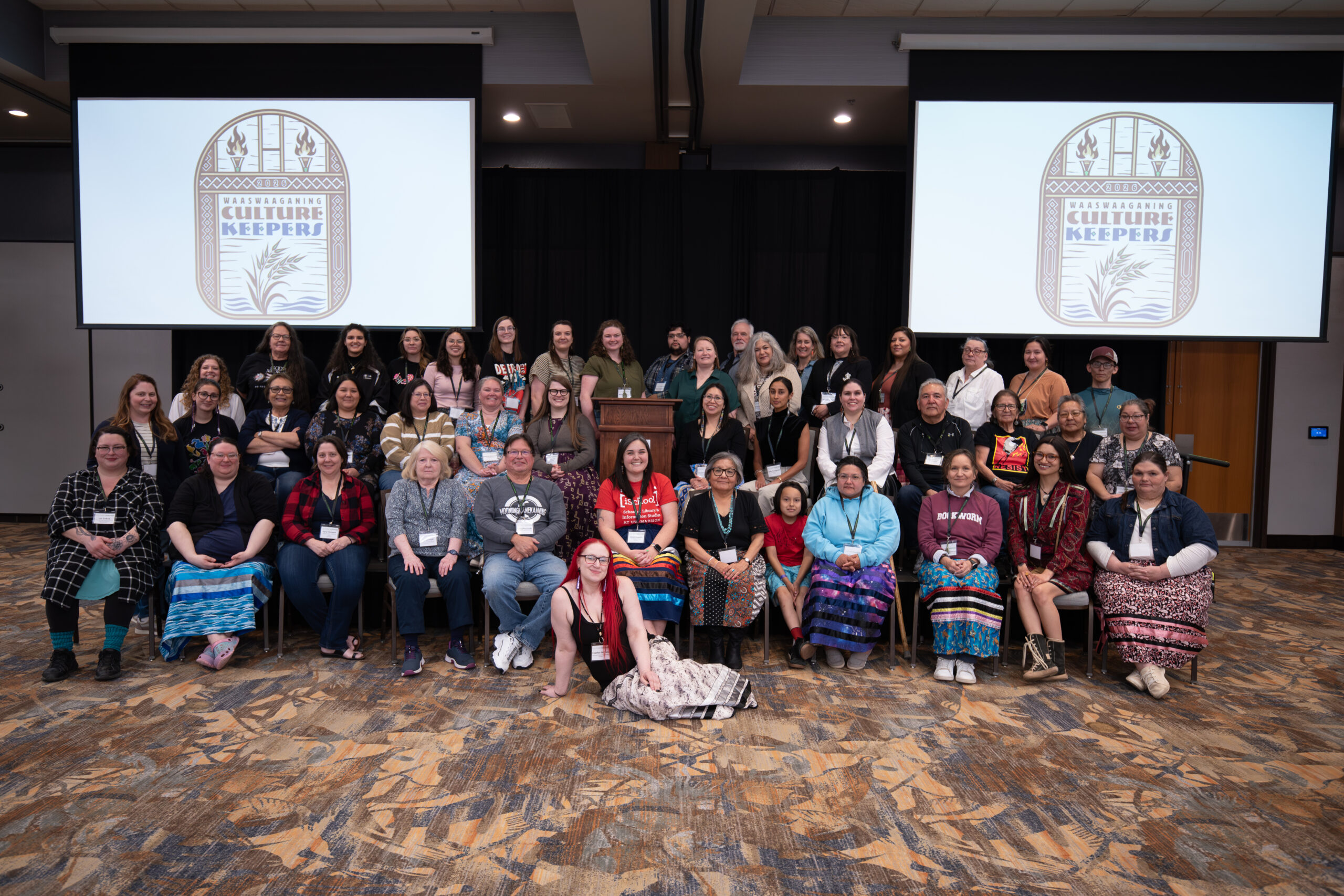
As participants returned home to their communities, they carried with them new ideas, renewed inspiration, and deeper connections. Those relationships, built through shared learning, conversation, and community, remain at the heart of the Culture Keepers Convenings and will continue to support Indigenous cultural stewardship for years to come.
While the annual Convening remains a cornerstone of the Culture Keepers community, connections continue throughout the year. The Culture Keepers Collective hosts virtual coffee hours, special events, and opportunities for knowledge-sharing that allow participants to stay connected, exchange ideas, and support one another between gatherings. Community members can join the Culture Keepers Collective listserv to learn about upcoming events, resources, and opportunities to engage with colleagues across the region.
As one gathering comes to a close, planning is already underway for the next opportunity. The 2027 Culture Keepers Gathering will be hosted by the Oneida Nation, with dates to be announced soon. We look forward to continuing the conversations, relationships, and collaborative work that sustain the Culture Keepers community.