Mukurtu Midwest
 Mukurtu Midwest Hub
Mukurtu (pronounced MOOK-oo-too) Midwest is one of seven regional Mukurtu Hubs supporting the use of Mukurtu CMS. Based at WiLS, the Hub provides training, implementation support, and community-based collaboration for Tribal and non-Tribal cultural heritage organizations across Wisconsin and the Western Great Lakes region.
Mukurtu is an open-source, community-driven content management system designed specifically to support Indigenous cultural heritage stewardship. Built on cultural protocol-based access, Mukurtu enables communities to determine how their digital cultural materials are shared, viewed, and cared for according to their own values and governance systems.
What the Mukurtu Midwest Hub Does
The Mukurtu Midwest Hub provides training, technical support, and community-based collaboration for organizations using Mukurtu CMS. Thanks to current grant funding, these services are available at no cost through the spring of 2027. If additional funding is not secured, fees may be introduced for some services in the future.
We support:
- Mukurtu training and implementation support for new and existing users
- Technical assistance, including installation, updates, and system maintenance guidance
- Consultation for digital stewardship projects grounded in community priorities
- Support for students and emerging professionals, including training and mentorship opportunities
- Collaboration across institutions working in Indigenous digital cultural heritage
We work closely with Tribal Nations and cultural heritage organizations to ensure Mukurtu is implemented in ways that reflect community-defined protocols, access needs, and stewardship practices.
Looking Ahead
The Mukurtu Midwest Hub is also exploring the development of a collaboratively curated and collaboratively governed regional portal inspired by models such as the Plateau Peoples’ Web Portal. This shared approach would provide an option for Native Nations, cultural organizations, and community partners that are interested in using Mukurtu but may not have the technical infrastructure or staff capacity to maintain a standalone site.
Rather than requiring each organization to manage its own installation, a shared portal would allow participating communities to contribute and steward content within a collaborative framework while maintaining community-defined protocols, governance, and decision-making authority over their materials. The goal is to expand access to Mukurtu and Indigenous digital stewardship tools while supporting sustainable, community-centered approaches to cultural heritage management.
The Mukurtu Hub Network
The Mukurtu Midwest Hub is one of seven regional Mukurtu Hubs established to support the adoption, development, and use of Mukurtu CMS. These Hubs provide regional training, outreach, and technical support while drawing on local relationships and expertise. Learn
The open-source Mukurtu CMS platform is developed, managed, and maintained by the Center for Digital Scholarship and Curation at Washington State University. The core Mukurtu team provides support across the entire Mukurtu network, while regional Hubs offer localized assistance and community-based support.
Organizations in Wisconsin and the western Great Lakes region are encouraged to work directly with the Mukurtu Midwest Hub for guidance, training, and implementation support.
Get Started or Get Support
If your organization is exploring Mukurtu CMS, or already using it and looking for support, we’re here to help.
We encourage you to:
- Reach out with questions about setup or implementation
- Join our network of Mukurtu users and cultural heritage practitioners
- Share your project so we can support and learn together
Contact Erin Hughes at ehughes@wils.org with any questions or to start using Mukurtu CMS.
About Mukurtu
Mukurtu is a free, open-source content management system developed in collaboration with Indigenous communities to support the ethical management, sharing, and stewardship of digital cultural heritage. Built around relationships of trust, respect, and community governance, Mukurtu enables communities to share knowledge according to their own cultural values and protocols.
Mukurtu empowers communities to determine access on their own terms, supporting ethical, flexible, and culturally responsive digital stewardship.
Mukurtu is a Warumungu word meaning “dilly bag” or a safe-keeping place for sacred materials. The name reflects the platform’s origins as a community archive designed to support culturally appropriate stewardship and sharing of knowledge.
What Makes Mukurtu Different?
Mukurtu was designed to support community-defined stewardship of cultural heritage through features such as:
- Cultural Protocols that allow communities to determine appropriate access to materials
- Traditional Knowledge (TK) Labels that communicate Indigenous expectations around use, attribution, and stewardship
- Community Records that support multiple cultural narratives and ways of knowing
- Flexible access controls that reflect community values and governance structures
- Roundtrip functionality that preserves metadata and cultural context when moving content between systems
Who Uses Mukurtu?
Mukurtu is used by Tribal Nations, libraries, archives, museums, language programs, cultural centers, educational institutions, and community organizations seeking to steward and share digital cultural heritage in ways that reflect community values and protocols.
What Mukurtu Supports
Mukurtu is designed to help cultural heritage organizations:
- Create culturally grounded digital collections
- Manage access using community-defined cultural protocols
- Preserve and share language, history, and cultural materials in ethical ways
- Support long-term stewardship of digital cultural heritage
- Build community-controlled systems for cultural knowledge sharing
Related Resources
Mukurtu in Practice
Mukurtu can be implemented in different ways depending on the community’s goals, technical capacity, and governance structure. The examples below illustrate several approaches to managing and stewarding digital cultural heritage.
Community-Managed Site
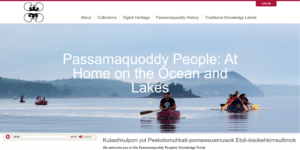
Example: Passamaquoddy People Digital Archive
A community-managed Mukurtu site maintained by a Tribal Nation or cultural organization. This model offers the highest level of local control over infrastructure, governance, and content management.
Best for: organizations with dedicated staff and technology support.
Reciprocally Managed (Institutionally Supported) Site
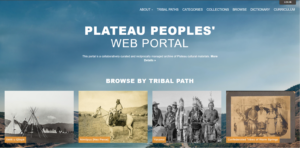 Example: Plateau Peoples’ Web Portal
A collaboratively curated and reciprocally managed Mukurtu site designed and sustained through the Center for Digital Scholarship and Curation at Washington State University in partnership with Tribal Nations of the Columbia Plateau. Participating communities contribute content while maintaining authority over access, protocols, and representation.
Best for: Communities that want to participate in a shared digital stewardship environment without maintaining a standalone Mukurtu installation.